Anushka Peer receives Goldwater Scholarship
Undergraduate student Anushka Peer has been awarded a 2026 Goldwater Scholarship. She is among 454 scholarship recipients nationwide.

Locking viruses out: A new approach to infection prevention
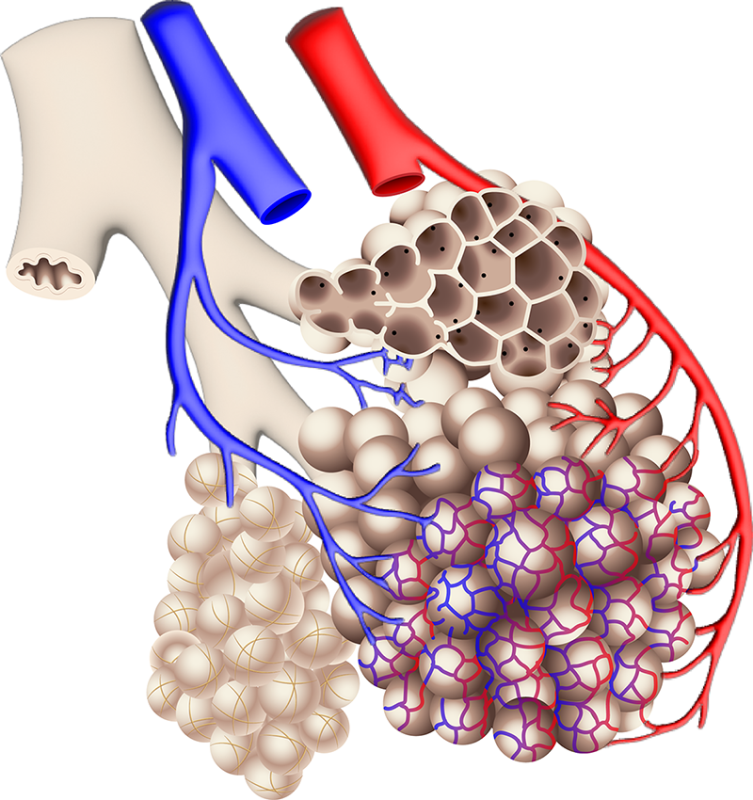
Duke University School of Medicine researchers led by Nicholas Heaton, PhD, are studying a new way to prevent viral infections by modifying how human lung cells interact with viruses.

The Brain’s Blueprint Maker
Debra Silver, PhD, is pursuing one of neuroscience's biggest questions: What makes a human brain human? She researches it with the same mix of precision and adventure she brings to her passion for scuba diving.

CIFAR renews international program exploring fungi’s risks and benefits
An international research initiative co-led by Joe Heitman, MD, PhD, has secured a five‑year renewal to advance scientific understanding of fungi and their global impact. The CIFAR-funded program, Fungal Kingdom: Threats and Opportunities, brings together experts from multiple disciplines to investigate the complex roles of fungi as both emerging threats to human health and vital contributors to environmental and technological systems.

The genes that help TB survive
Researchers have uncovered a set of bacterial survival genes activated only inside TB’s hard‑to‑study granulomas, revealing new clues to how the pathogen endures our immune defenses.

Antifungal drug effort springs from Heitman led Fungal Kingdom
Antifungal drug effort springs from Heitman‑led Fungal Kingdom program.


Alumni Spotlight on Stephanie Diezmann: When Doors Open, Go Through
Stephanie Diezmann, PhD, who received her doctoral degree from Duke in 2009,