
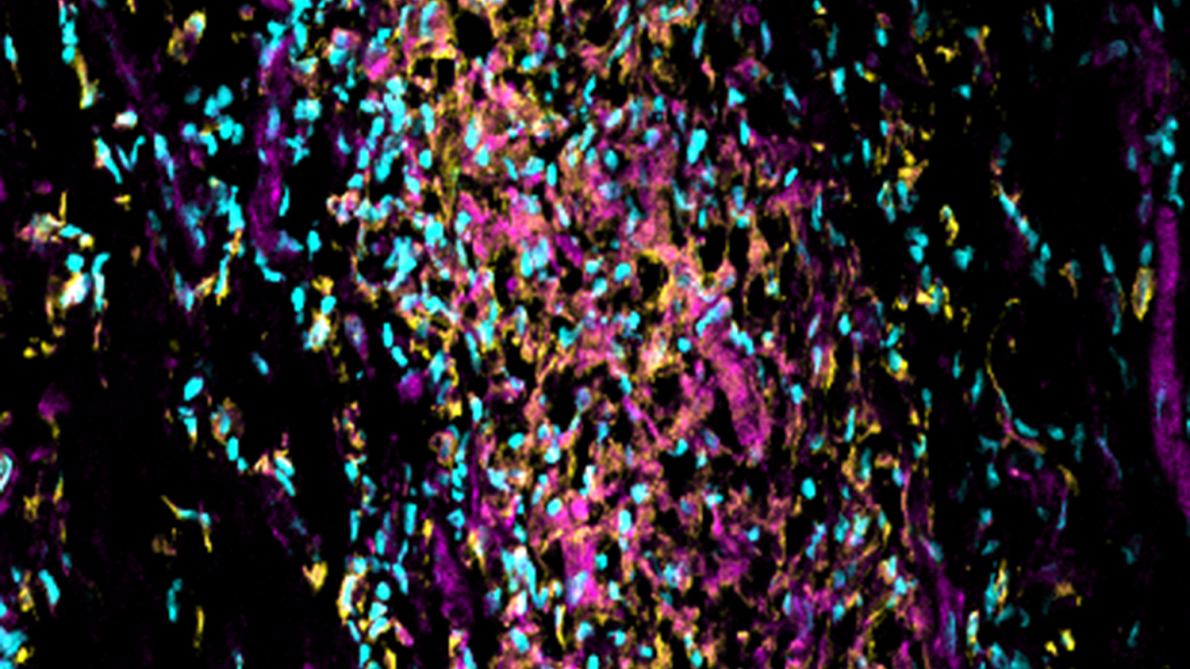
From the Tobin lab to the clinic: MGM research drives new cardiac sarcoidosis trial
A discovery that began in a Duke MGM laboratory is now being tested in Duke patients, offering a potential new approach to diagnosing cardiac sarcoidosis, which can be life-threatening and difficult to diagnose.

Alumni Spotlight: Yingxuan Zhu, PhD
Yingxuan (Yvonne) Zhu, PhD, a former visiting graduate student and research scholar in the lab of Thomas Petes lab, has been selected as a 2026 Destination Biochemistry Benjamin Danzo Postdoctoral Scholar at Vanderbilt University. Yingxuan is currently conducting research in the Department of Biochemistry at Vanderbilt, where she studies genome maintenance and genomic instability in cancer.

Kiritsy Named a Hartwell Fellow
Michael Kiritsy, MD, PhD, a fellow in the Division of Infectious Diseases
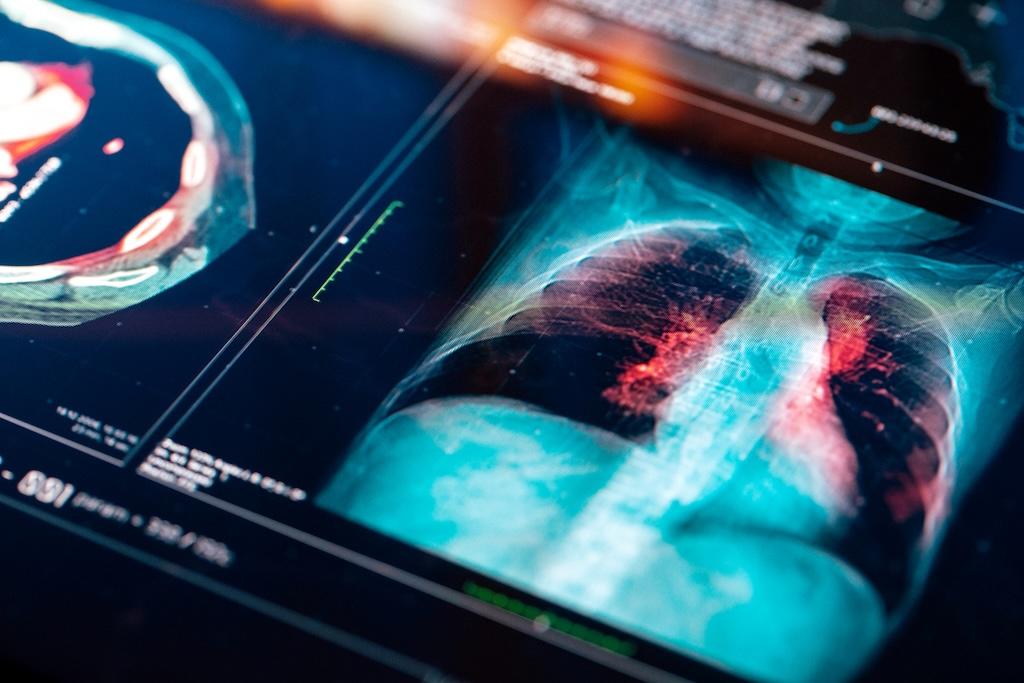
Two-drug combination may be key to killing deadly small cell lung cancer
A collaboration between Duke researchers in pharmacology and cancer biology and molecular genetics and microbiology has led to a promising new strategy to fight metastatic small cell lung cancer.
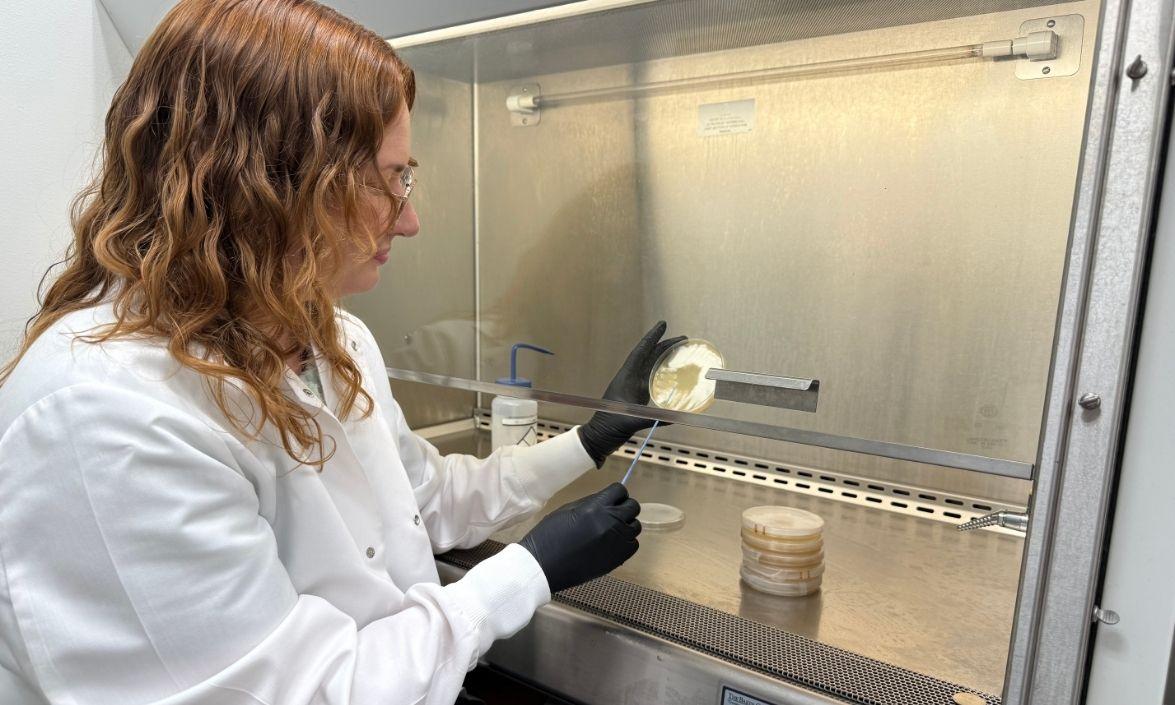
Why Is this fungal STI going underdiagnosed?
MGM postdoctoral associate Patricia Peterson is part of a team building a public-health response to a disease that is difficult to recognize, difficult to diagnose ,and under-reported.

Alumni Spotlight: Priya Uppuluri, PhD
Priya Uppuluri, PhD, an associate professor at the David Geffen School of Medicine at UCLA and an investigator at The Lundquist Institute for Biomedical Innovation, says that her time spent as a postdoctoral associate in MGM gave her the confidence that she could build an independent academic career.

A surprising discovery about obesity in teens
MGM faculty member John Rawls, PhD, and pediatrics experts have learned the teen years may be a critical window when the gut microbiome and its influence on weight is still taking shape and is more open to change.

What wastewater says about what we eat and who we are
In research led by Lawrence David, PhD, DNA-sequencing technology turns sewage into a powerful window into community nutrition in North Carolina.

Marco Pardini Gontijo receives professional development award from Genetics Society of America
Marco Pardini Gontijo, MS, a rising fifth-year PhD candidate in the lab of Clare Smith, PhD, has been honored with the DeLill Nasser Award for Professional Development in Genetics from the Genetics Society of America. The award supports graduate students and postdoctoral researchers in genetics by helping cover the costs of attending conferences and laboratory courses. Gontijo is co-mentored by David Tobin, PhD.

Jack Keene honored following retirement and appointment as emeritus professor
After 47 years at Duke, Jack D. Keene, PhD, the James B. Duke Distinguished Professor of Molecular Genetics and Microbiology, retired on July 1, 2026, and was appointed emeritus professor. A symposium last month celebrating his career brought together former trainees, colleagues, and friends to recognize his scientific contributions, leadership, and mentorship.