
Maike Bensberg, 2025 MGM Distinguished Fellows Travel Award Recipient
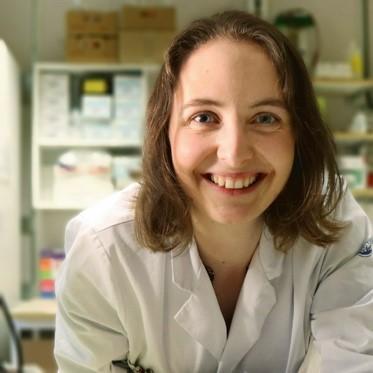
Maike Bensberg
San Roman Lab
European Molecular Biology Laboratory conference, Heidelberg, Germany
April 27-30, 2026
Abstract
Colorectal cancer (CRC) is a major cause of morbidity and mortality in both males and females with 52,900 patients predicted to die of the disease in the United States in 2025. There are significant differences between the sexes in incidence, molecular characteristics, and treatment response. This could be a result of lifestyle/environmental, hormonal, or genetic differences between males and females. Sex chromosome dysregulation and the sex steroid hormone estradiol have recently been implicated in CRC initiation and progression, but the molecular mechanisms remain to be resolved. To investigate this, I am using intestinal organoids, multicellular 3-dimensional models reflecting intestinal cell dynamics, as a platform to illuminate the influence of sex chromosomes and sex steroid hormones on intestinal stem cell homeostasis and CRC pathogenesis. I collected samples and derived intestinal organoids from 10 age-matched male and female individuals. Cell type composition in proliferating and differentiated conditions was characterized by flow cytometry. Additionally, X-inactivation status of key X-linked genes during intestinal stem cell differentiation was assessed by visualizing nascent transcription using FISH to establish these organoids as valuable models of X-chromosome biology in a multi-cell type context. To determine the roles that the sex chromosomes play in CRC pathogenesis, CRC organoids were engineered by introducing and selecting for APC and TP53 knock-out mutations in healthy male and female organoids. A reference of in vivo intestinal tissue dynamics and CRC-associated transcriptional changes was created from RNA-sequencing of primary healthy and colon polyp biopsies and allele-specific expression analysis of single-cell sequencing from the HuBMAP consortium was utilized to define X-chromosome inactivation and escape throughout the intestine. Overall, primary intestinal organoids are a powerful ex vivo model to explore sex chromosome biology to advance our understanding of sex differences in CRC.